




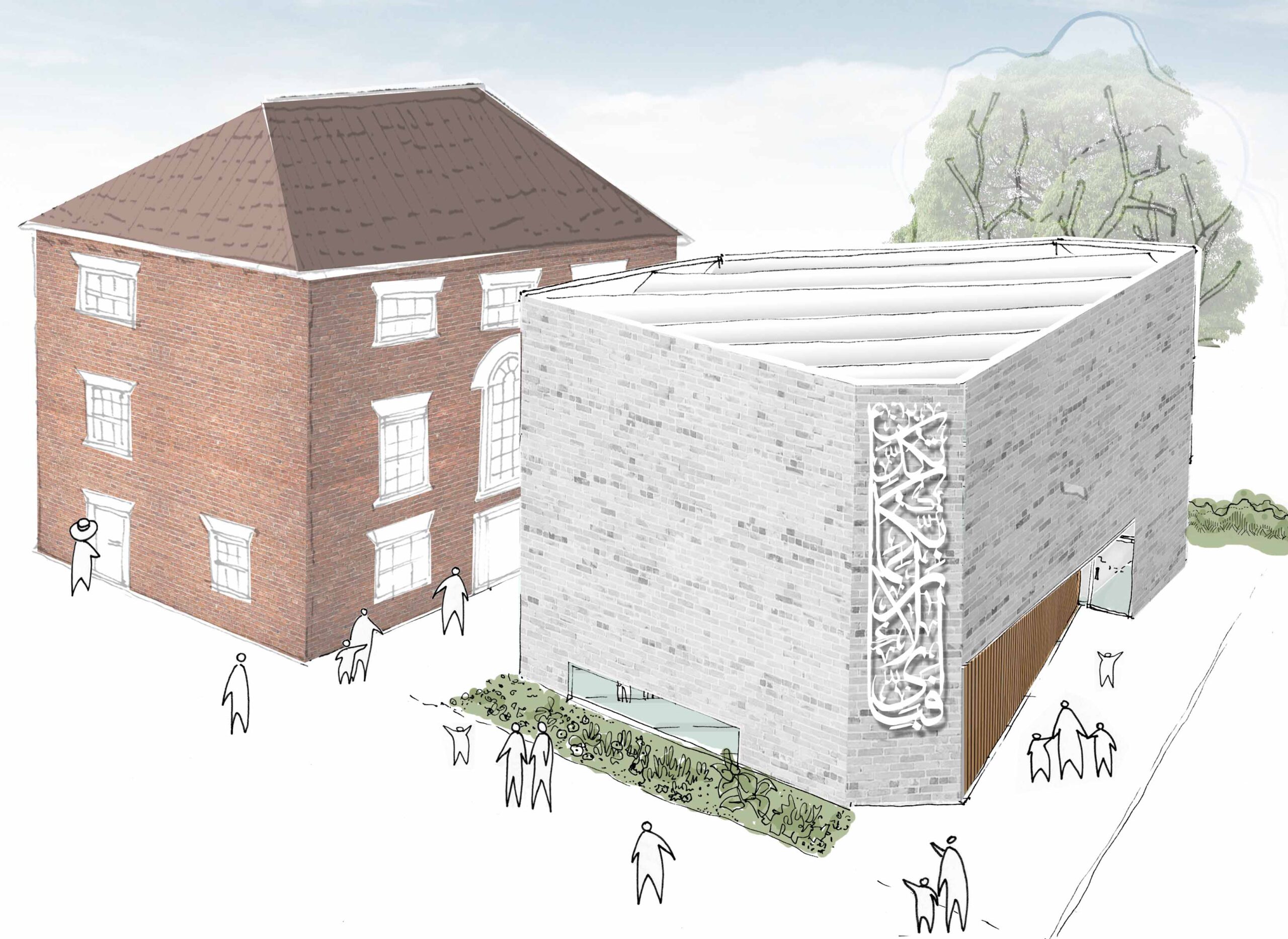
Taunton Central Mosque and Islamic Centre
Taunton, Somerset
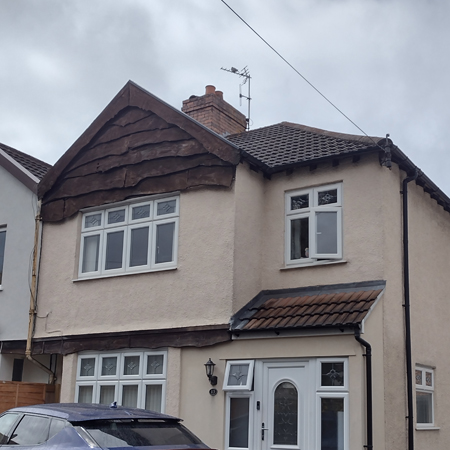
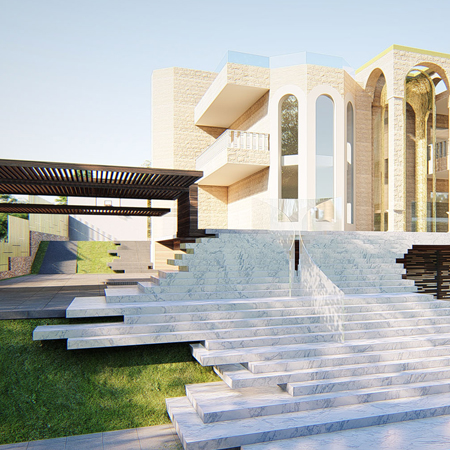
The Taunton Central Mosque and Islamic Centre reimagines a constrained inner-town site through careful urban repair, spatial clarity, and architectural restraint. Located along Tower Lane and set beside a listed residential building, the project negotiates a complex condition—balancing heritage sensitivity, neighbourhood scale, and the growing needs of the local Muslim community.
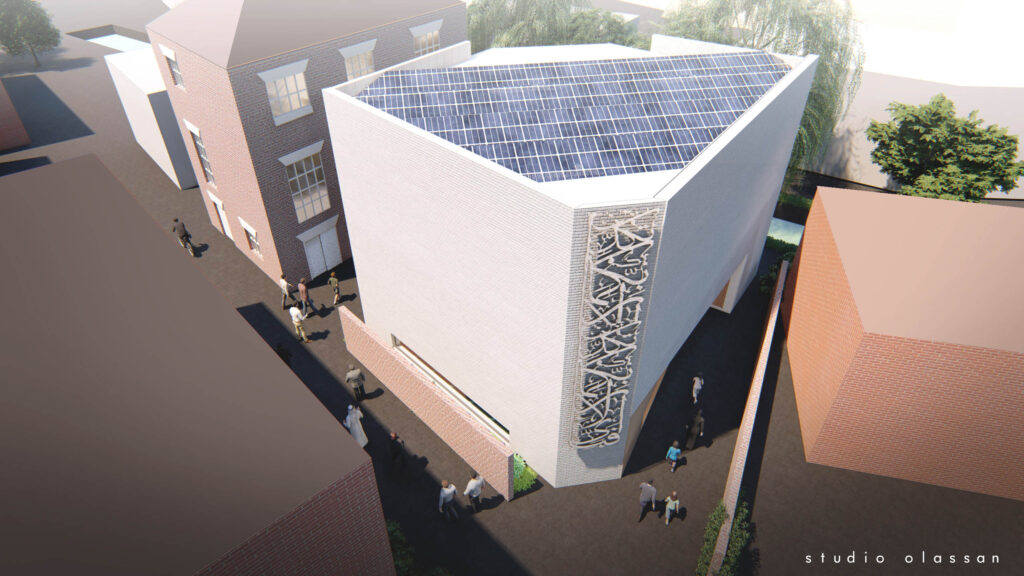
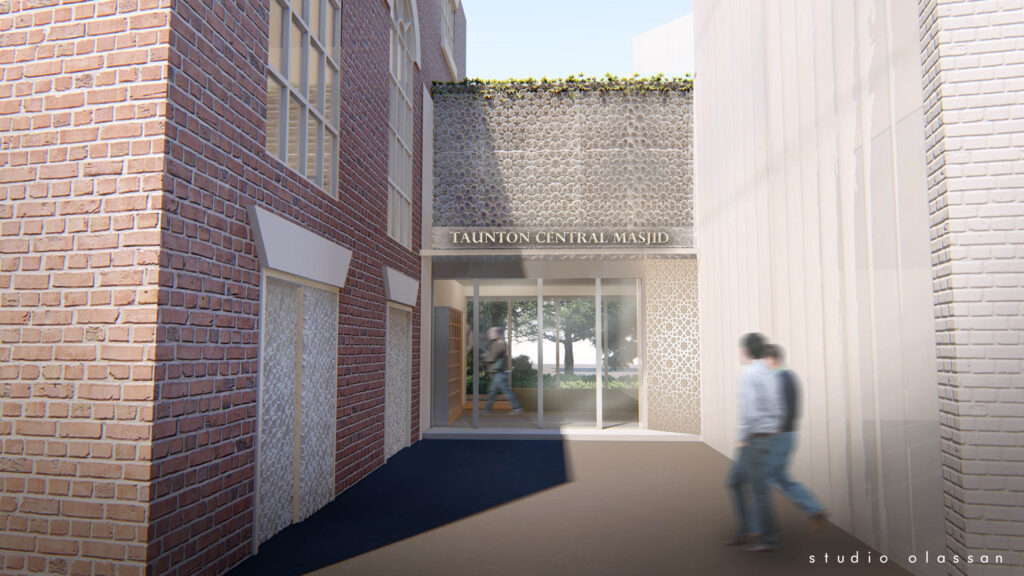
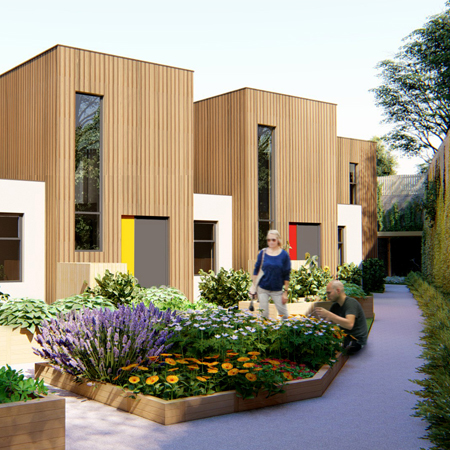
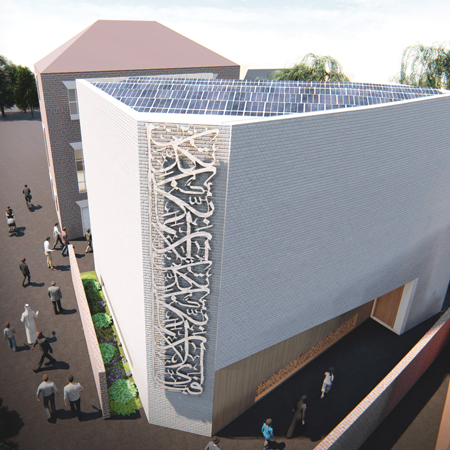
Rather than treating the mosque as a standalone object, the proposal works as a continuation of the existing urban grain. A new masjid volume is positioned along the eastern site boundary, completing the fragmented edge of Tower Lane and forming a modest entrance court between old and new. This spatial separation preserves the integrity of the listed building while establishing a clear civic address for the mosque.
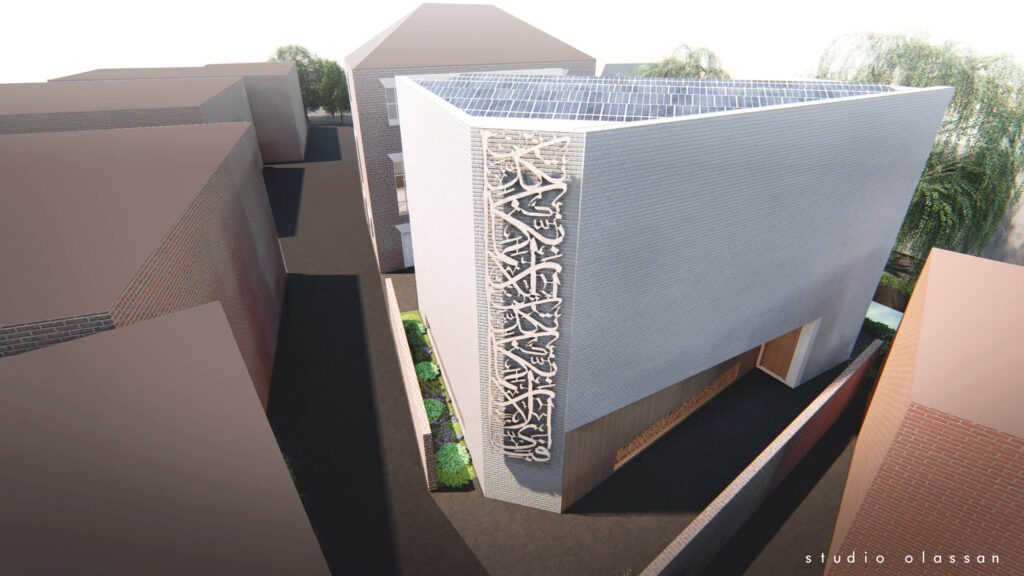
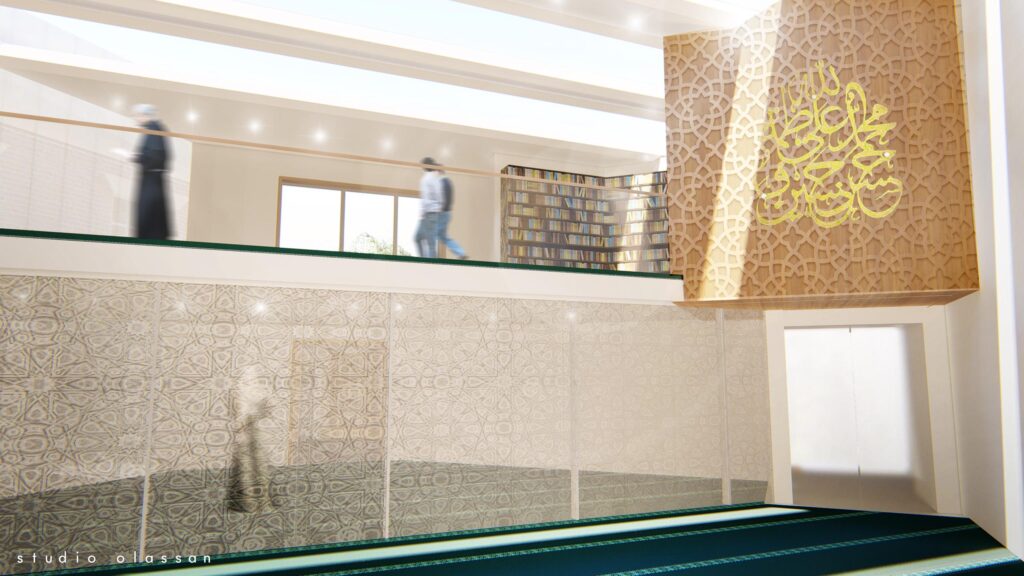
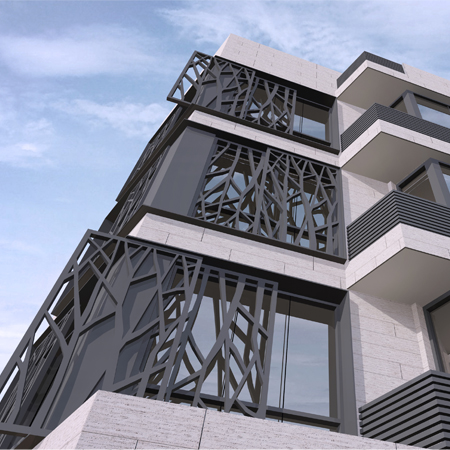
The building mass is shaped directly by function and orientation. A chamfered corner marks the Qibla direction and becomes the most publicly visible element of the project. Here, Arabic calligraphy—laser-cut and back-lit in brushed stainless steel—acts as both an orientational device and a subtle declaration of belonging, readable without resorting to overt monumentality.
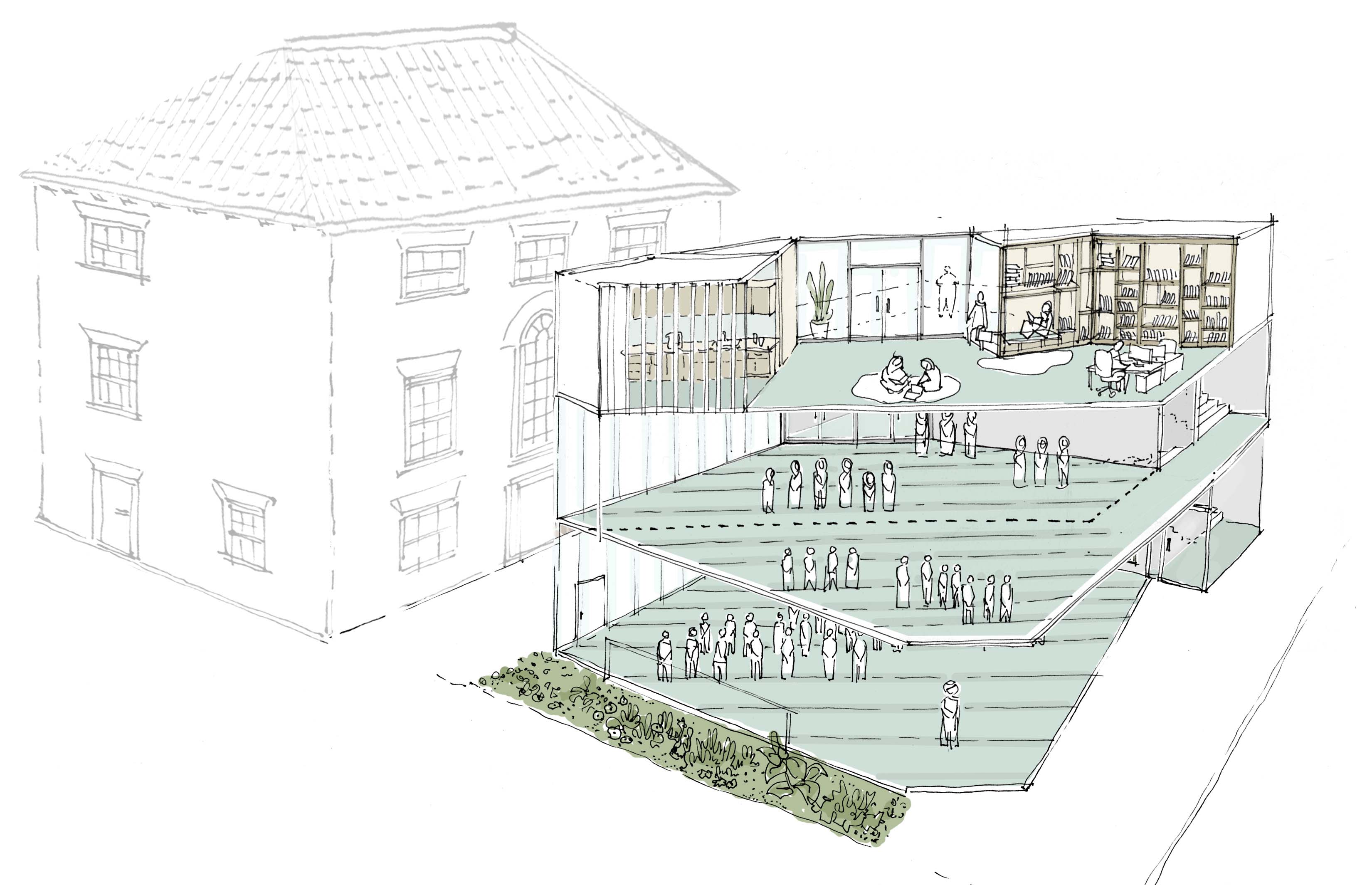
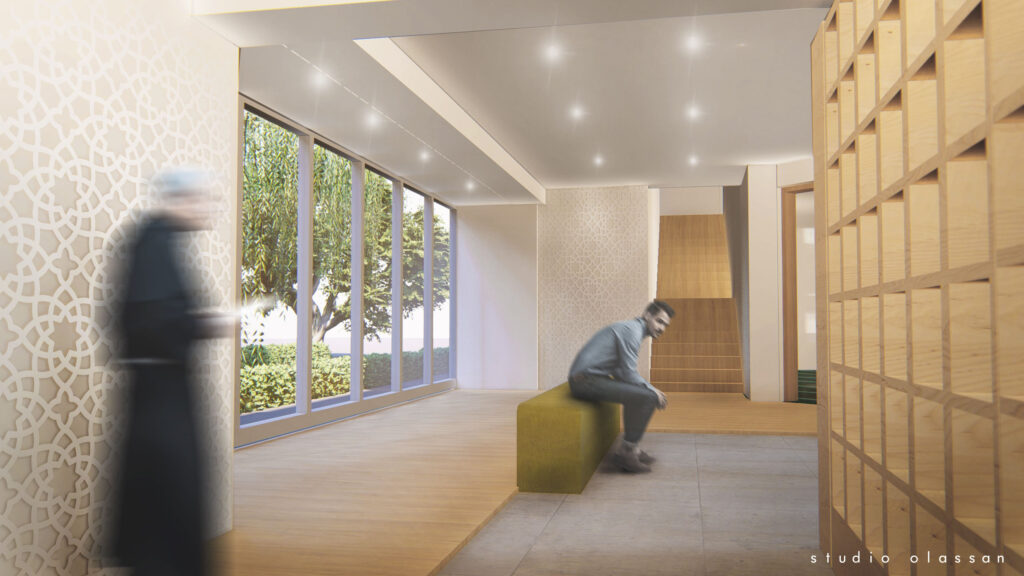
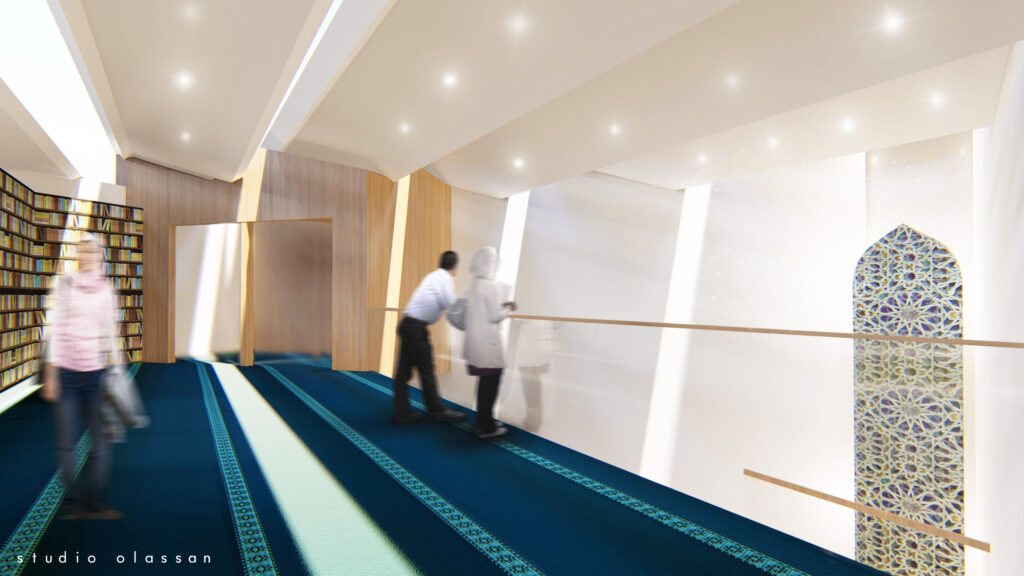
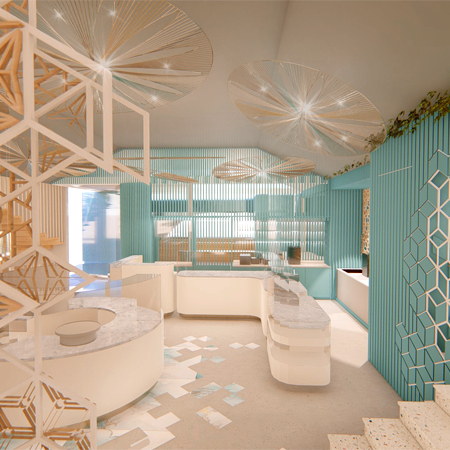
Internally, the mosque is organised as a vertically layered sequence of prayer and community spaces. The ground floor accommodates the main men’s prayer hall, ablution facilities, and clear circulation routes for daily use and funeral processions. The first floor provides women’s prayer space with flexibility to expand capacity during peak times, while a mezzanine level introduces a shared multi-functional environment—housing a small library, study areas, office space, and kitchen facilities. This arrangement allows the building to operate throughout the day, beyond prayer times alone.
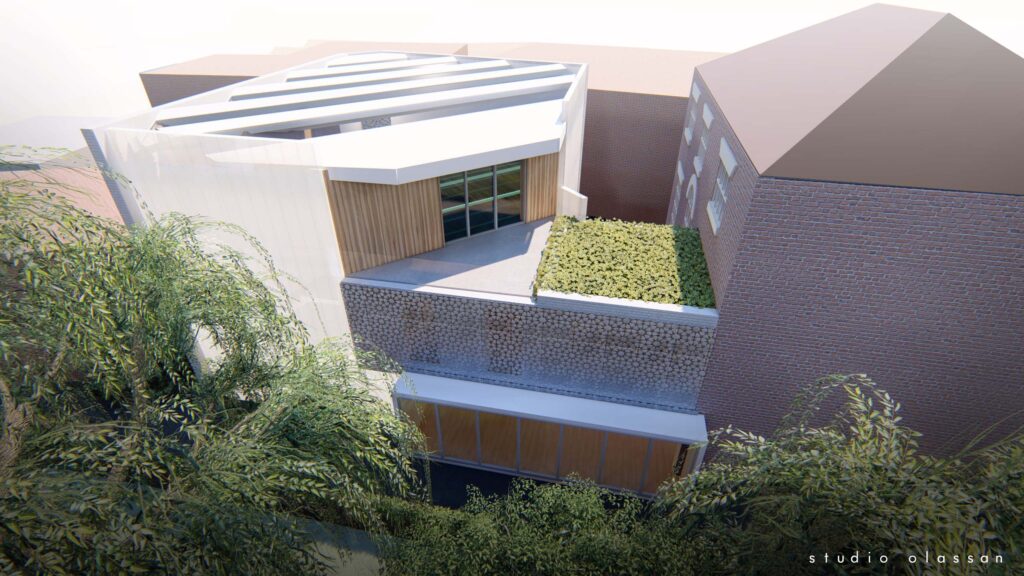
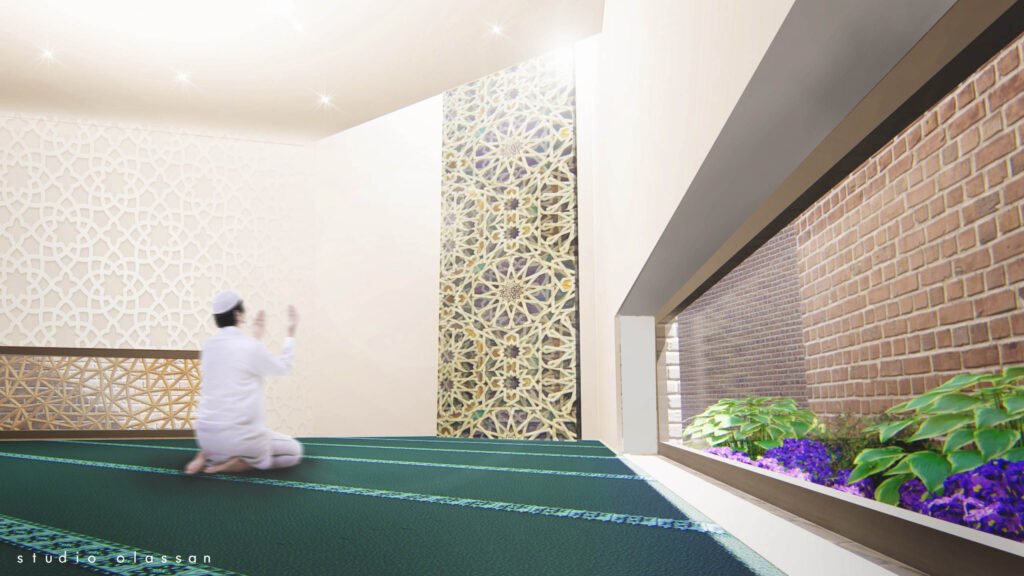
Light is treated as a primary architectural material. Linear roof lights wash the prayer hall from above, while low horizontal windows reconnect worshippers—seated at floor level—with landscape and sky, maintaining privacy without isolation. A translucent polycarbonate façade, layered with metal mesh, filters daylight into the interior while softening the building’s presence toward neighbouring residences.
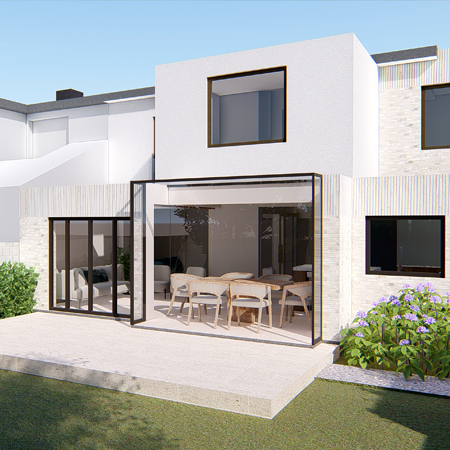
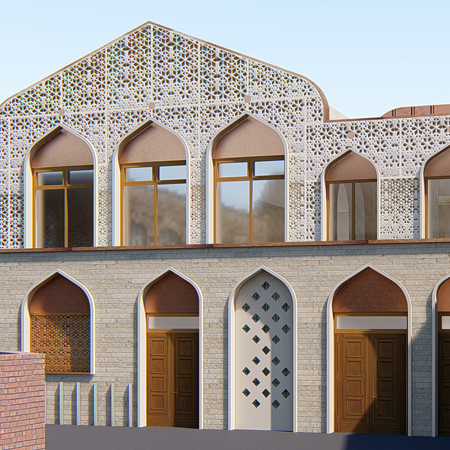
Material choices reinforce continuity and restraint. A light brick façade relates closely to the surrounding context while clearly expressing the building’s distinct function. Patterned screens and textured masonry introduce depth and tactility, offering privacy where required—particularly to the women’s entrance and facilities—while marking moments of arrival and transition.
This is not architecture that announces itself loudly. It earns its presence through clarity, belonging, and a deep respect for place—an Islamic centre that feels inevitable, measured, and quietly powerful.