





Shahporan Islamic Centre
Southmead, Bristol
.Set back from the main road and accessed via a shared lane, the Shahporan Islamic Centre occupies an unusually quiet and open site—surrounded by allotment gardens, residential terraces, and local community buildings. Unlike many mosques positioned on high streets or prominent urban edges, this project is deliberately removed from the public thoroughfare, requiring the architecture to generate its own sense of presence, arrival, and civic identity.
The community brief was clear: the building was to be far more than a place of prayer. It was envisioned as a shared hub—supporting education, gatherings, workshops, and everyday social life—while remaining adaptable to future needs. The central challenge lay in accommodating high prayer capacity alongside a diverse and evolving programme, within a context where openness, scale, and neighbourhood sensitivity had to be carefully balanced.
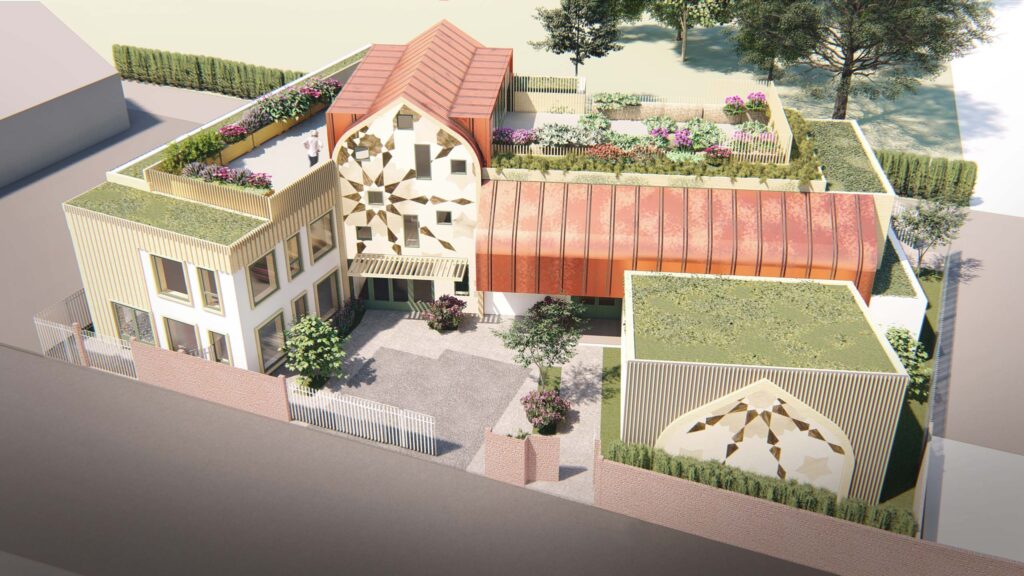
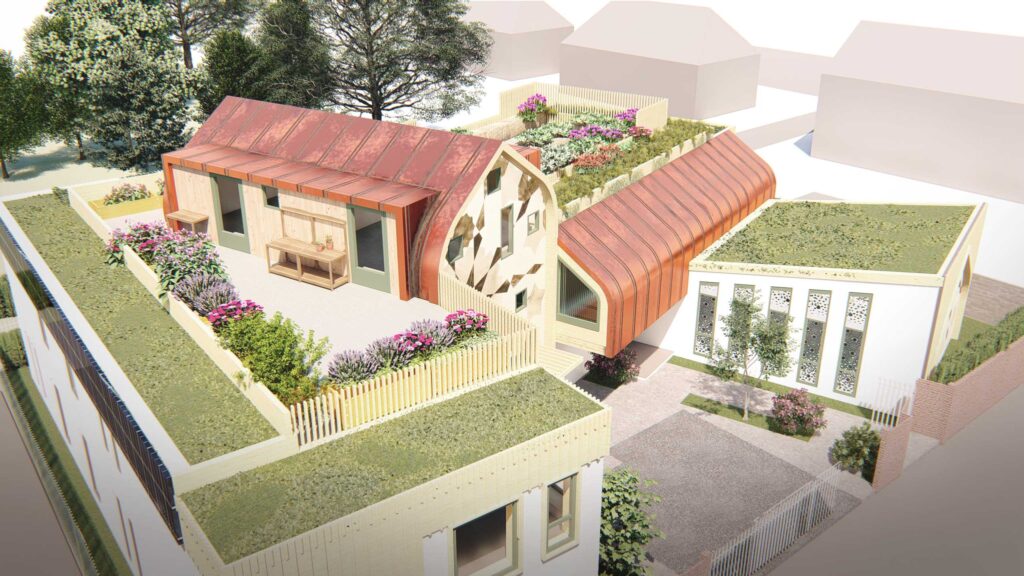
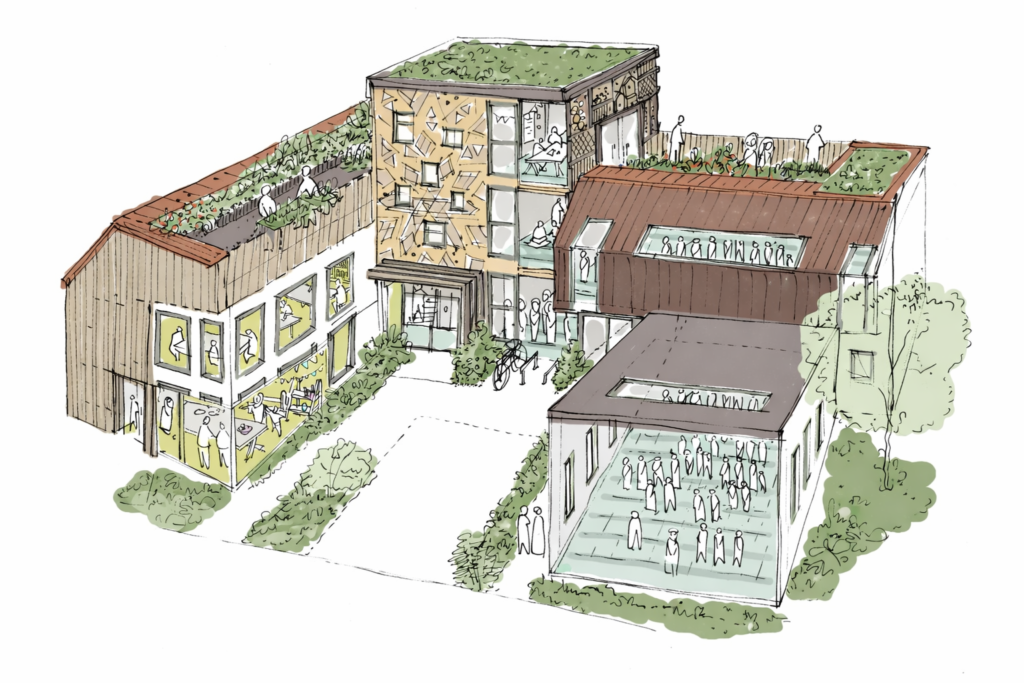
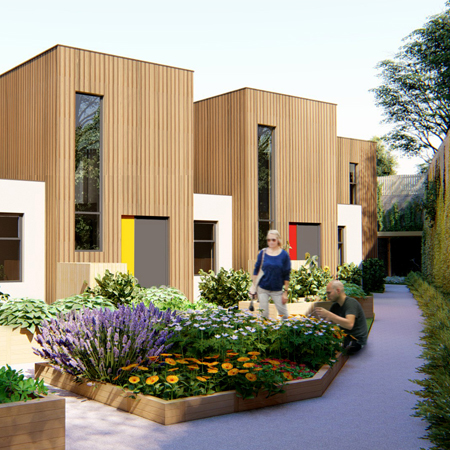
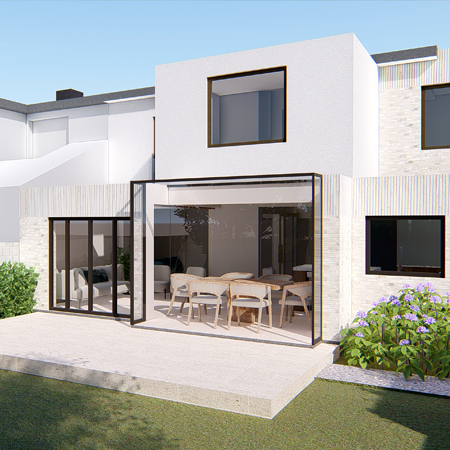
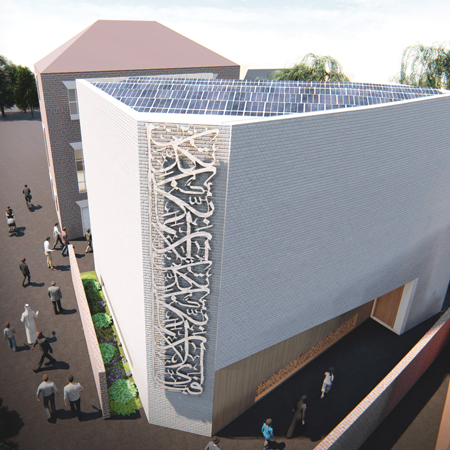
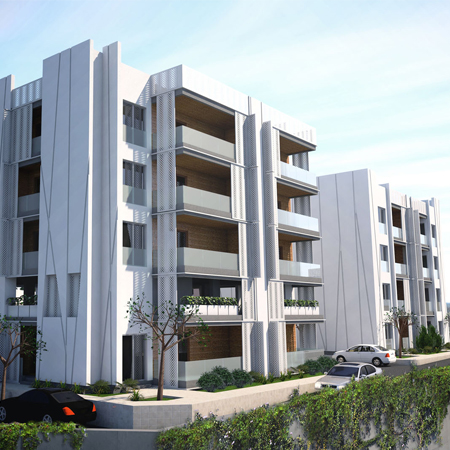
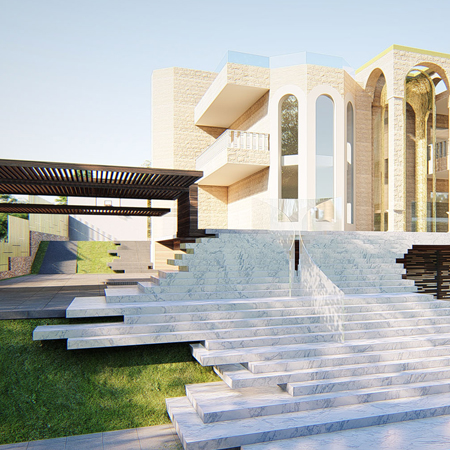
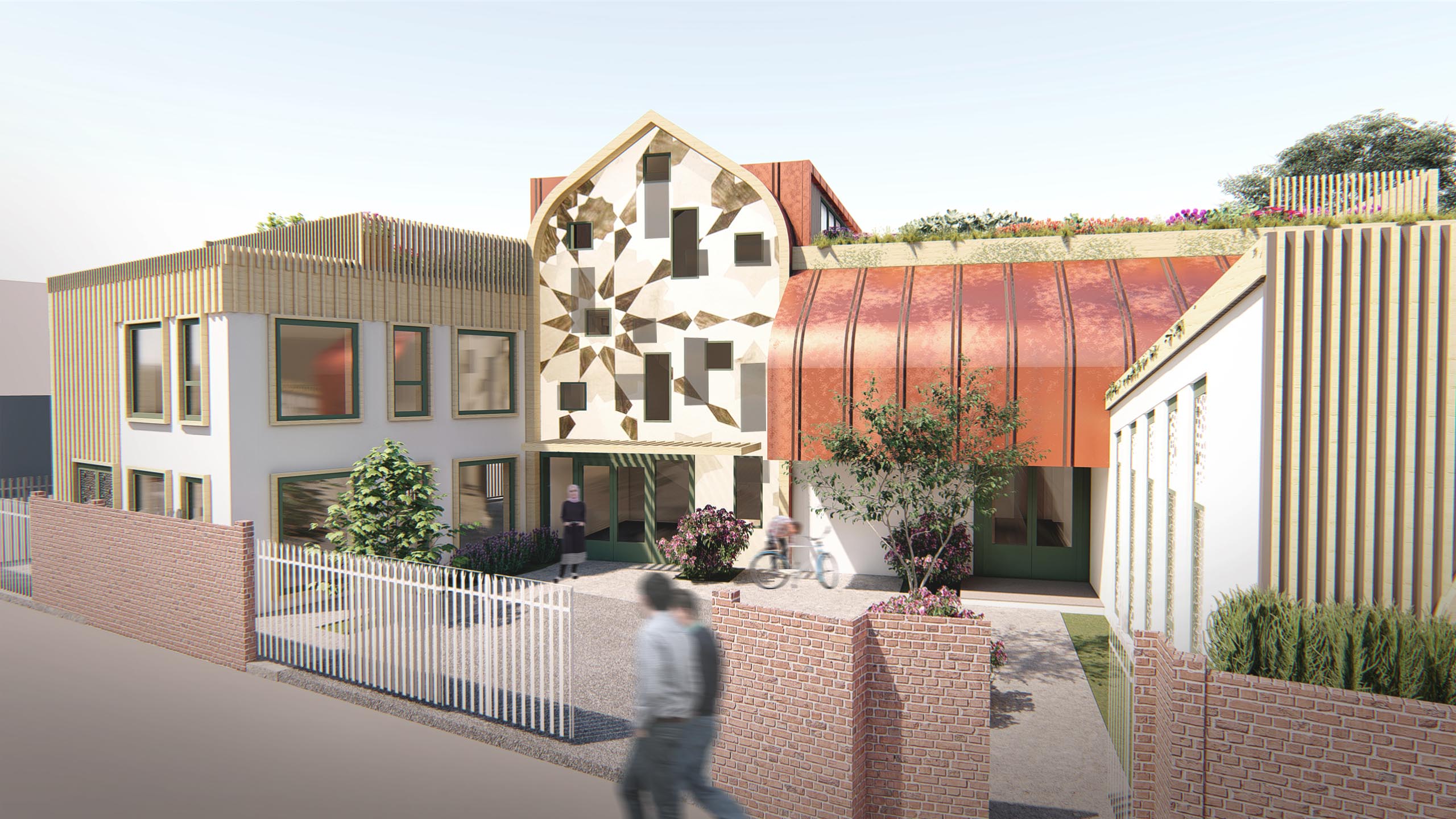
The proposal is organised as a series of interlocking volumes arranged around a semi-enclosed courtyard facing the access lane. This spatial strategy establishes a clear address and a calm arrival sequence, mediating between the openness of the surrounding allotments and the internal life of the centre. Prayer spaces for men and women are clearly organised with dedicated access and supporting facilities, while remaining connected to shared community spaces that activate the building throughout the day.
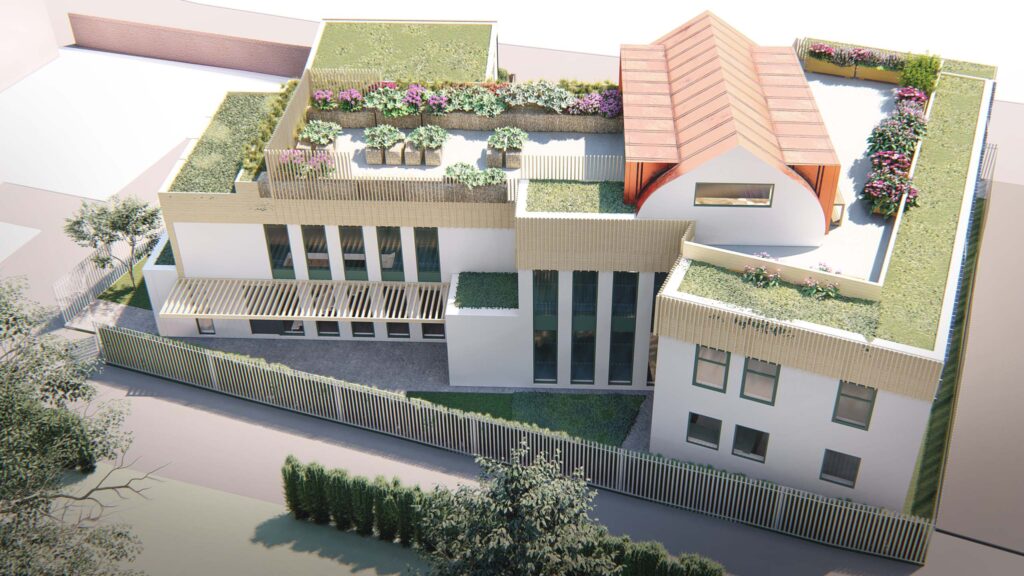
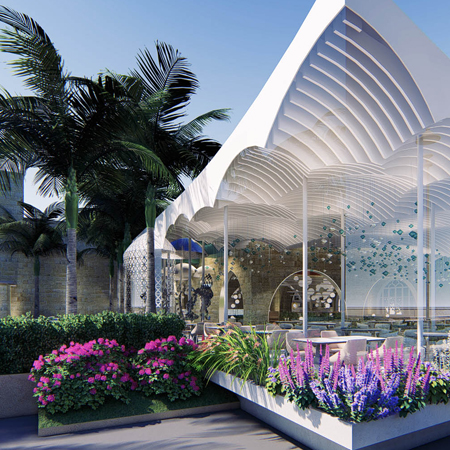
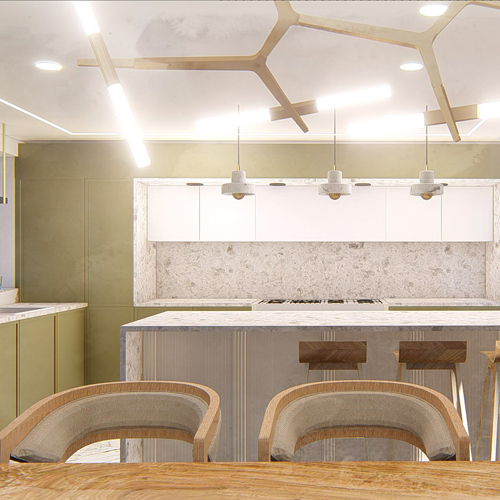
The adjacent allotments became a key reference for the project—both spatially and socially. Like the Islamic centre, they are places shaped by collective use, care, and shared responsibility. This relationship informed the building’s approach to landscape and sustainability: green roofs, a ground-floor garden connected to the communal kitchen, rooftop terrace allotments, and integrated habitats for birds and insects extend community activity into the fabric of the building while supporting local biodiversity.
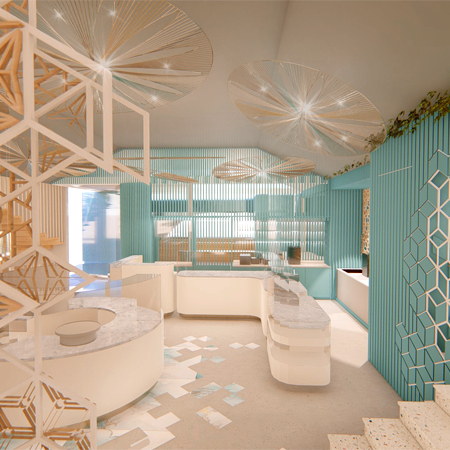
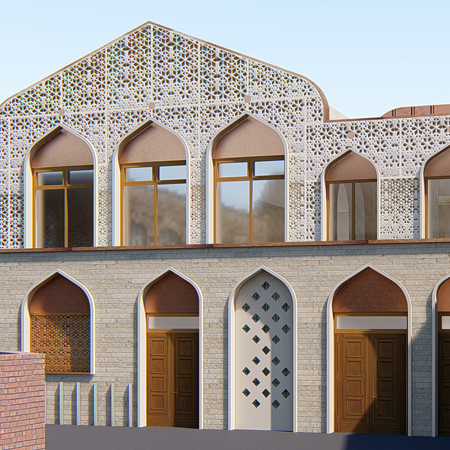
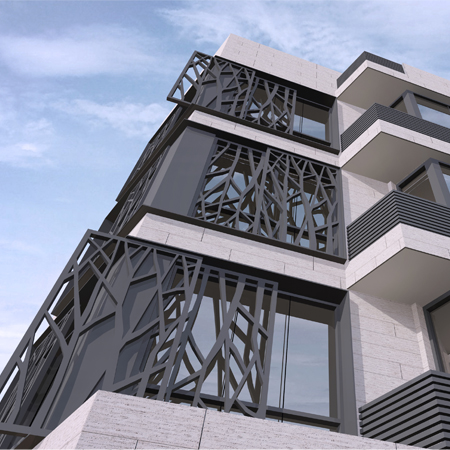
Architecturally, Islamic identity is expressed through spatial organisation, proportion, and material restraint rather than overt symbolism. Filtered façades mediate privacy and daylight, patterned gable elements mark moments of gathering and orientation, and a curved roof volume signals the presence of communal space without relying on conventional mosque iconography. Together, these elements articulate a balance between enclosure and openness—rooted in use rather than spectacle.
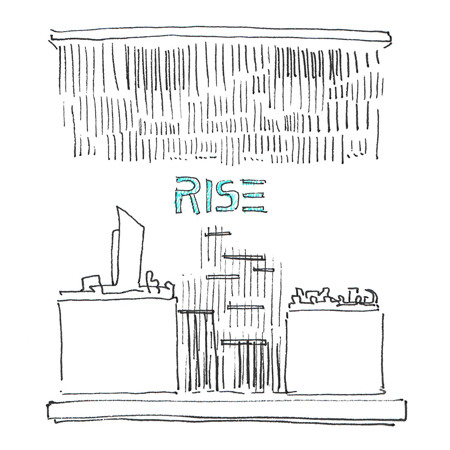
The tallest volume, marking the entrance to the community facilities, is conceived as a civic marker rather than a monument. It offers the potential to host a mural designed by the community or a local artist, reinforcing collective authorship, visibility, and a sense of shared ownership.
The project frames the mosque not as a singular object, but as a living civic environment—an architecture shaped by gathering, learning, cultivation, and care. Here, faith, community life, and environmental responsibility are brought together through a building designed to evolve with the people it serves.