






Battersea Sustainable Housing
Easton, Bristol
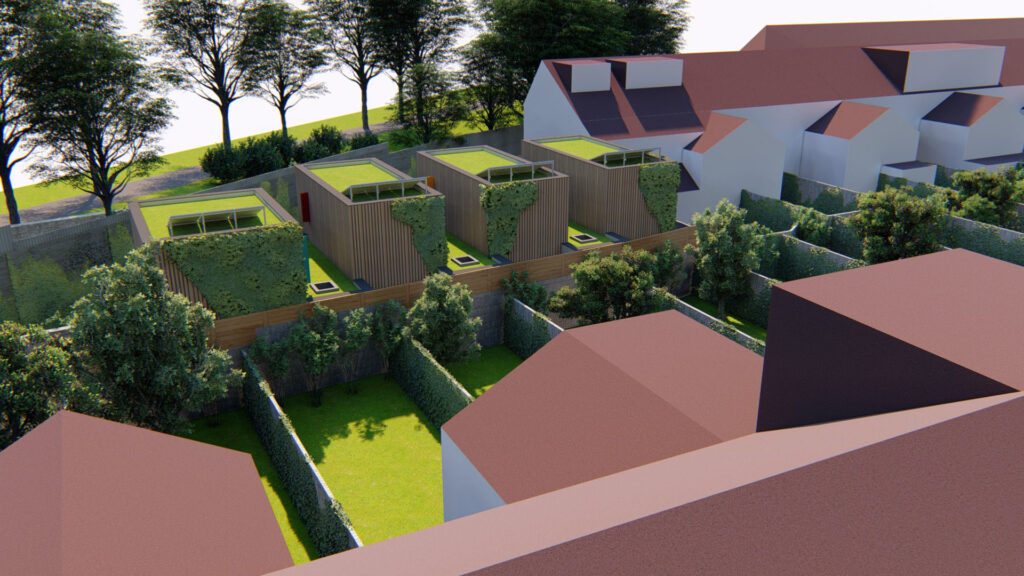
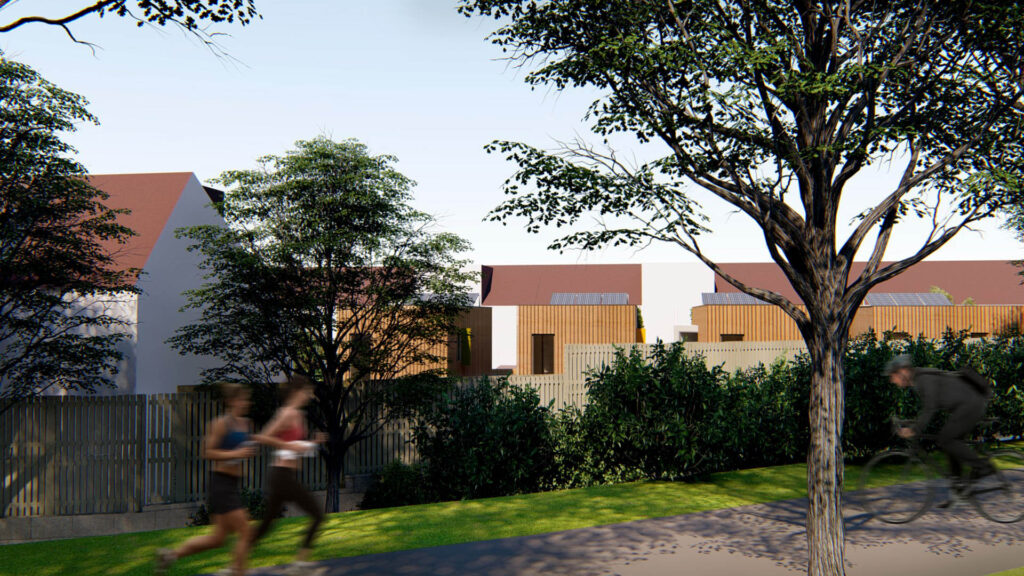
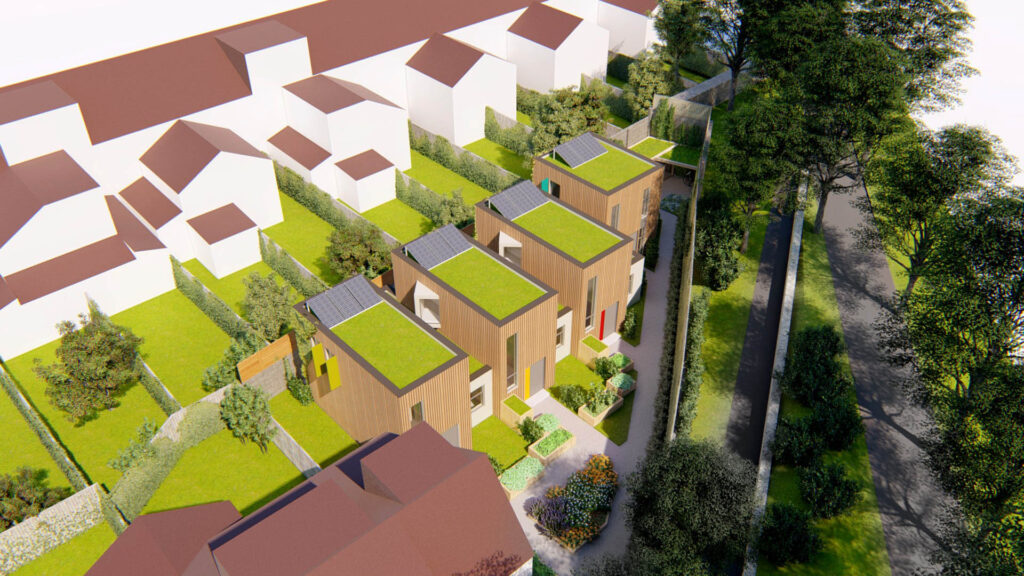
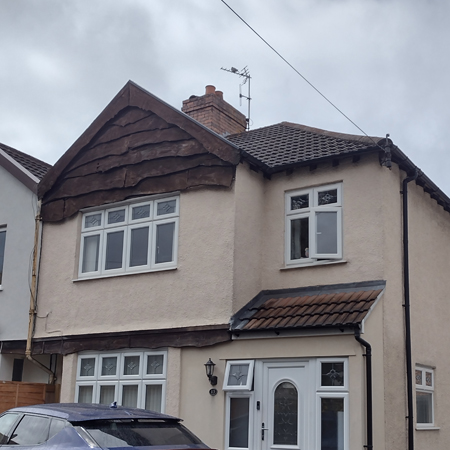
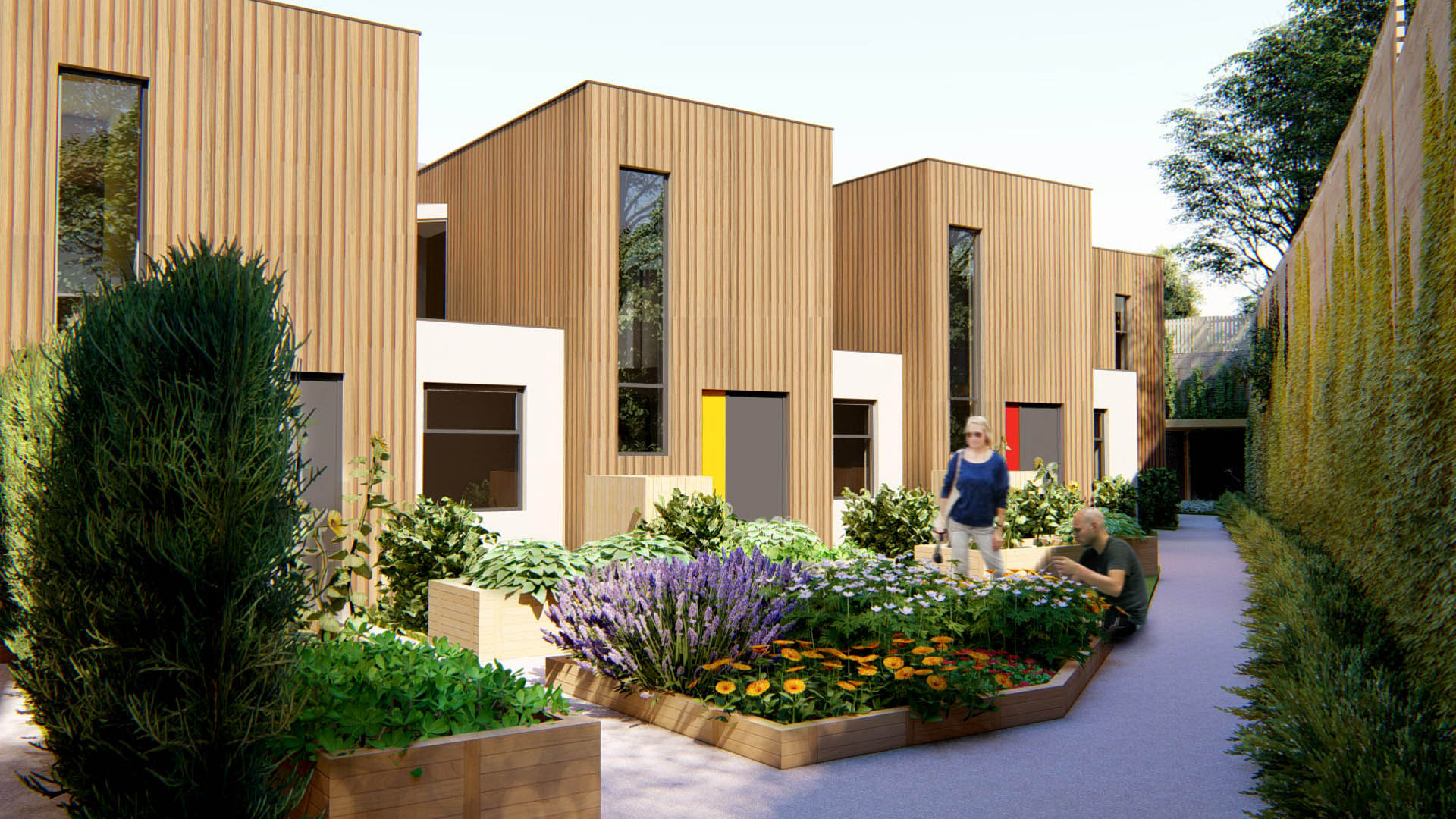
The proposal reimagines an underused urban side plot within one of Bristol’s densest residential neighbourhoods. The site—a large, overlooked side garden with no direct street frontage—sits quietly behind a row of two-bedroom terraced houses, bounded along its edge by the Bristol–Bath Railway Cycle Path. This condition, both constrained and strategically located, became the project’s primary driver.
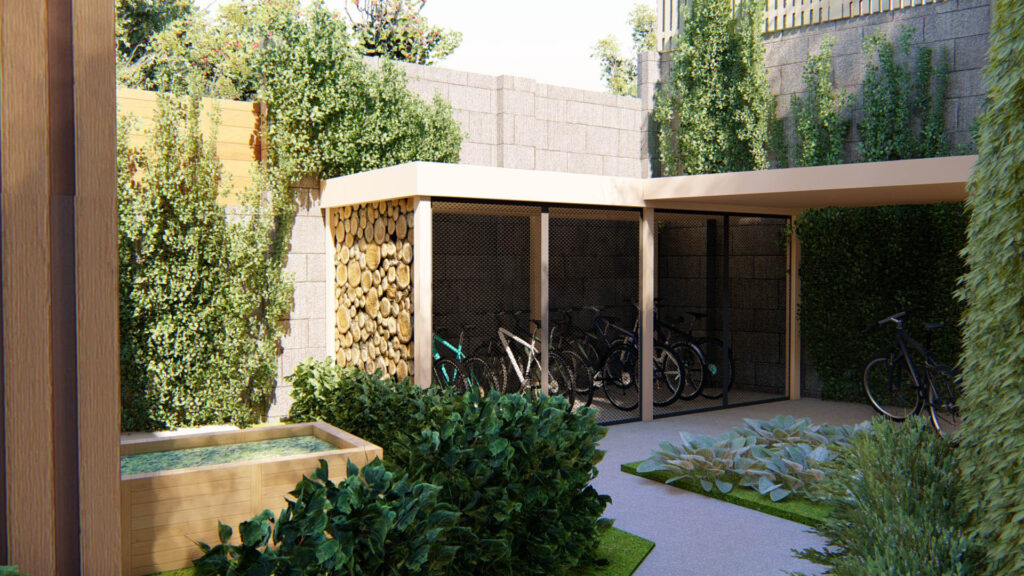
Rather than forcing a conventional, car-dependent housing model onto a site ill-suited to it, the proposal embraces a car-free approach rooted directly in its context. The immediate adjacency of the Bristol–Bath Cycle Path, combined with limited on-street parking and strong public transport connectivity, offered a clear opportunity to rethink mobility, access, and residential value. Car-free living here is not a statement—it is a logical response to place and contemporary urban patterns.
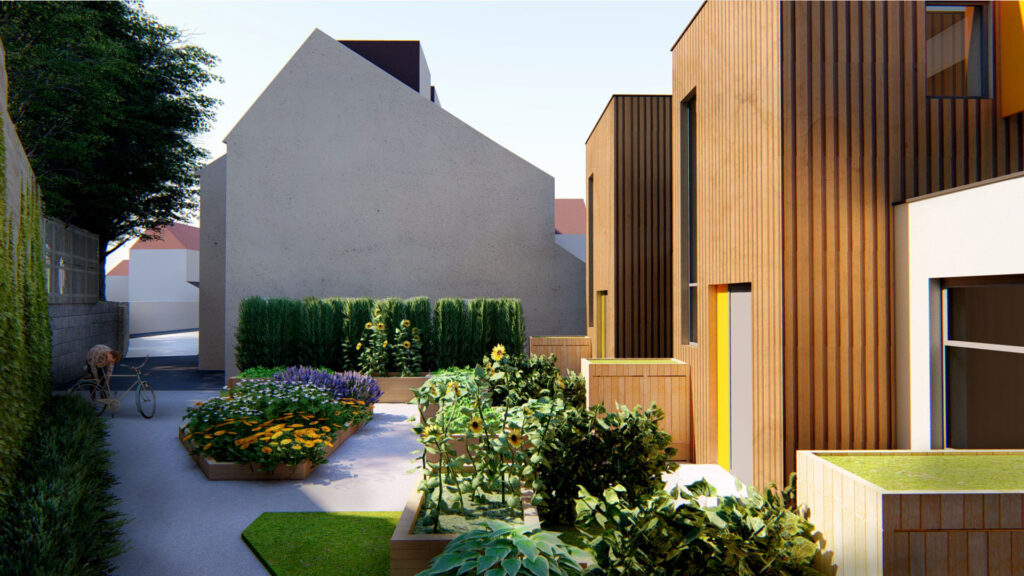
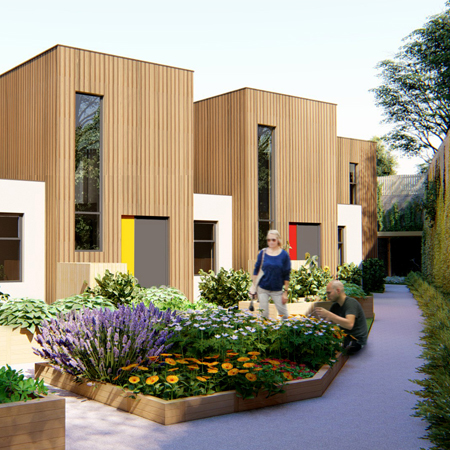
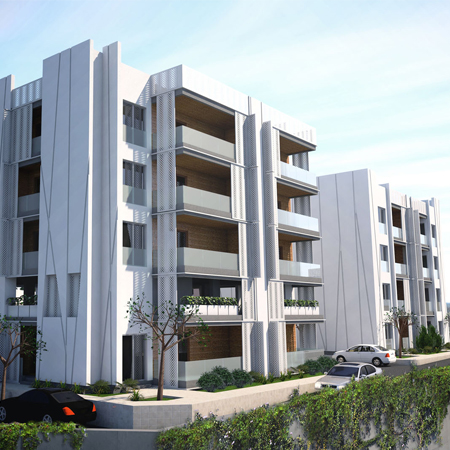
The development introduces a niche dwelling typology: compact studio maisonettes within an area dominated almost entirely by two-bedroom family terraces. This shift supports a different mode of urban living—suited to individuals and couples seeking proximity to the city, reduced environmental impact, and a lifestyle less dependent on private vehicles. Density is achieved not through excess, but through careful calibration of use, scale, and occupation.
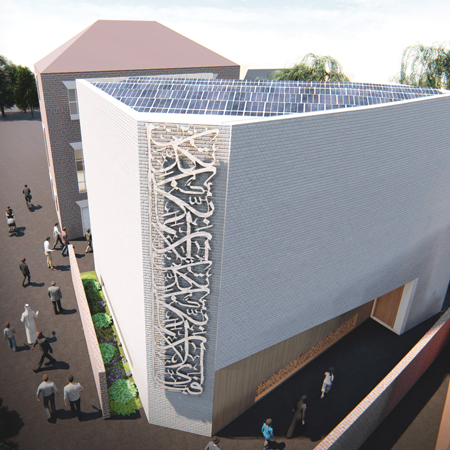
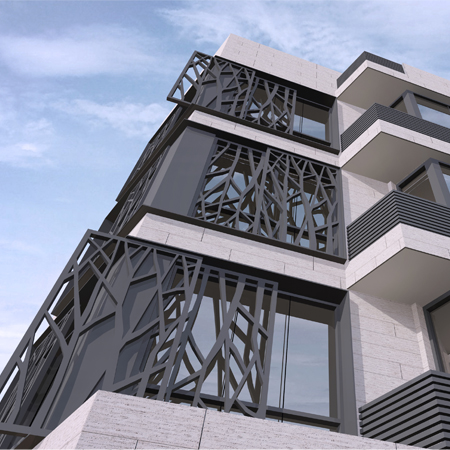
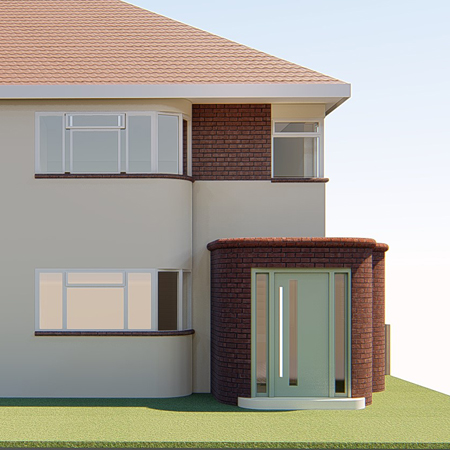
The building’s massing is shaped by the irregular geometry of the plot and the sensitivity of its residential surroundings. Alignment, articulation, and controlled openings reduce perceived bulk while maintaining clarity and presence. The architecture integrates quietly into the urban fabric, addressing neighbours with restraint while establishing a confident internal identity.
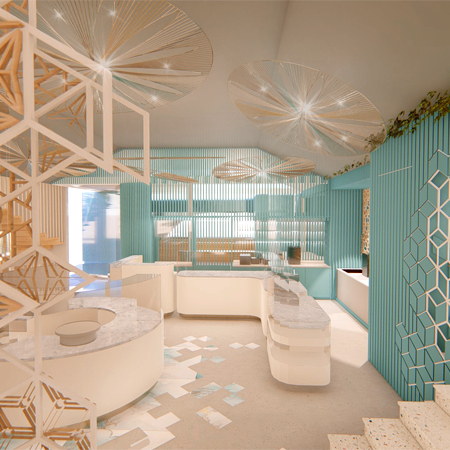
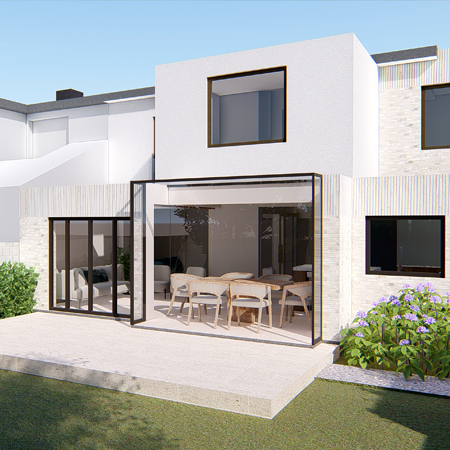
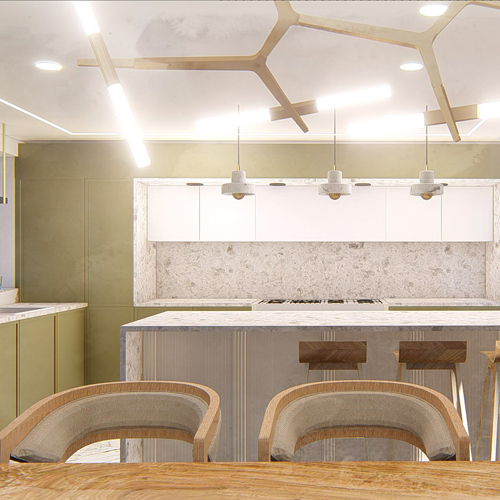
Internally, the layout prioritises efficiency, adaptability, and long-term usability. Light and ventilation act as primary design drivers, shaping orientation, atmosphere, and comfort throughout. Spatial generosity is achieved through proportion and daylight rather than floor area, ensuring liveability within a compact footprint.
Sustainability is embedded as a structuring principle rather than an added layer. The car-free strategy, compact form, and restrained material palette together establish a low-impact residential model suited to dense urban conditions. The project demonstrates how environmental responsibility and architectural judgement can reinforce one another when design decisions are made deliberately and in response to context.
The project proposes an alternative to car-dependent urban housing—an architecture shaped by constraint, environmental awareness, and changing patterns of urban life, where limitation becomes an asset rather than a compromise.